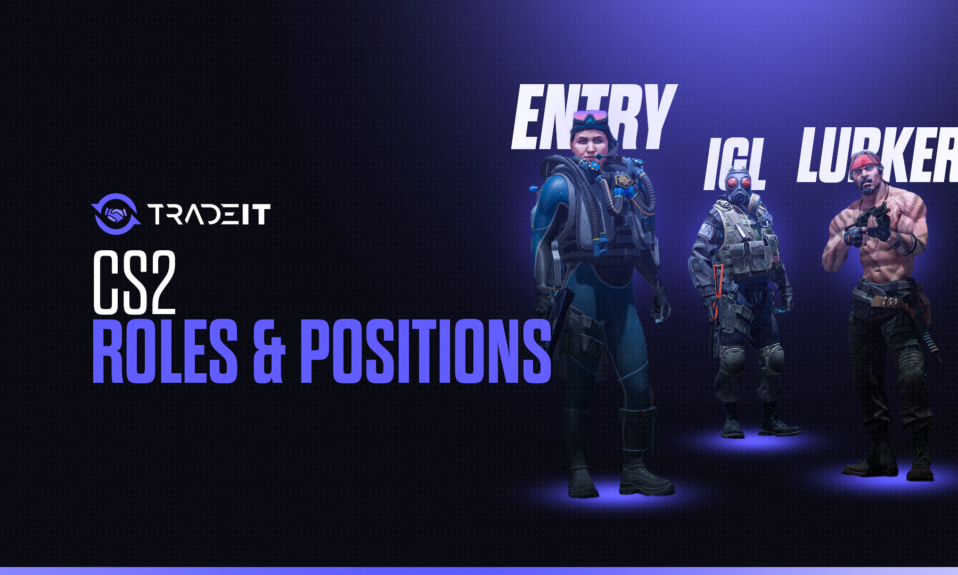
Understanding the Role of In-Game Leaders in CS2: Strategies and Team Dynamics
In Counter-Strike 2, the role of the in-game leader (IGL) is pivotal in shaping the team's strategies and overall performance. An effective IGL not only devises tactical plans but also fosters team dynamics, ensuring that every player contributes to the game's success. The IGL must analyze opponents' behaviors and adapt strategies accordingly while maintaining clear communication. This includes calling plays during encounters, suggesting positioning, and orchestrating utility usage to gain an advantageous edge. Additionally, the IGL's ability to inspire and motivate the team can lead to enhanced synergy and trust among players.
To understand the complexities of an IGL's role, we can break down their responsibilities into several key strategies:
- Strategic Planning: Developing game plans based on the strengths and weaknesses of both the team and opponents.
- Communication: Facilitating open lines of communication during matches to adjust strategies on the fly.
- Conflict Resolution: Addressing any internal conflicts to maintain a positive team atmosphere.
- Adaptability: Recognizing when to change tactics mid-game based on the ongoing situation.
Counter-Strike has been a pivotal title in the first-person shooter genre, creating a competitive landscape that has captivated millions of players worldwide. Among the many weapons available, the kukri knife cs2 stands out for its unique design and utility in close-quarters combat, offering players both style and effectiveness.
Key Strategies for Effective Team Communication in CS2
Effective team communication in CS2 is crucial for enhancing collaboration and productivity. One of the key strategies for achieving this is by establishing clear communication channels. Teams should utilize various tools such as Slack or Microsoft Teams to facilitate real-time discussions and keep everyone updated on project developments. Furthermore, setting regular meetings, whether weekly or bi-weekly, can help ensure that all team members are aligned on goals, deadlines, and any obstacles that may arise. By fostering an open environment where team members feel comfortable sharing ideas, teams can significantly improve their overall communication.
Another essential strategy is practicing active listening. It is vital for team members to not only express their thoughts but also to genuinely listen to others. This can involve repeating back what someone has said to confirm understanding or asking clarifying questions when necessary. By encouraging this kind of interaction, teams can avoid misunderstandings and build stronger relationships. Additionally, adopting a collaborative approach to problem-solving can enhance effective team communication, allowing all voices to be heard, and cultivating a sense of ownership and accountability among team members.
How to Analyze and Adapt Your Strategy as an IGL in CS2
As an In-Game Leader (IGL) in CS2, analyzing your team's performance and adapting your strategy is crucial for securing victories. Begin by reviewing past matches to identify patterns in your gameplay. Utilize tools like demos and analytical software to dissect crucial moments in matches. Pay special attention to areas where you lost rounds—was it poor communication, inefficient use of utility, or failure to adapt to the enemy's tactics? By keeping a keen eye on both your team's strengths and weaknesses, you can make informed decisions that will enhance your team's effectiveness.
Once you've gathered the necessary insights from your analysis, it's time to pivot your strategy. Here are a few key steps to guide you in this process:
- Adapt Your Playstyle: If your previous aggressive approach is being countered, consider a more defensive setup or vice versa.
- Communicate Changes: Ensure that all team members understand the new strategy and their roles within it.
- Practice Flexibility: Be prepared to adjust your plans mid-game as new information becomes available.
Remember, the best IGLs are those who can think on their feet and lead their teams through dynamic adjustments.