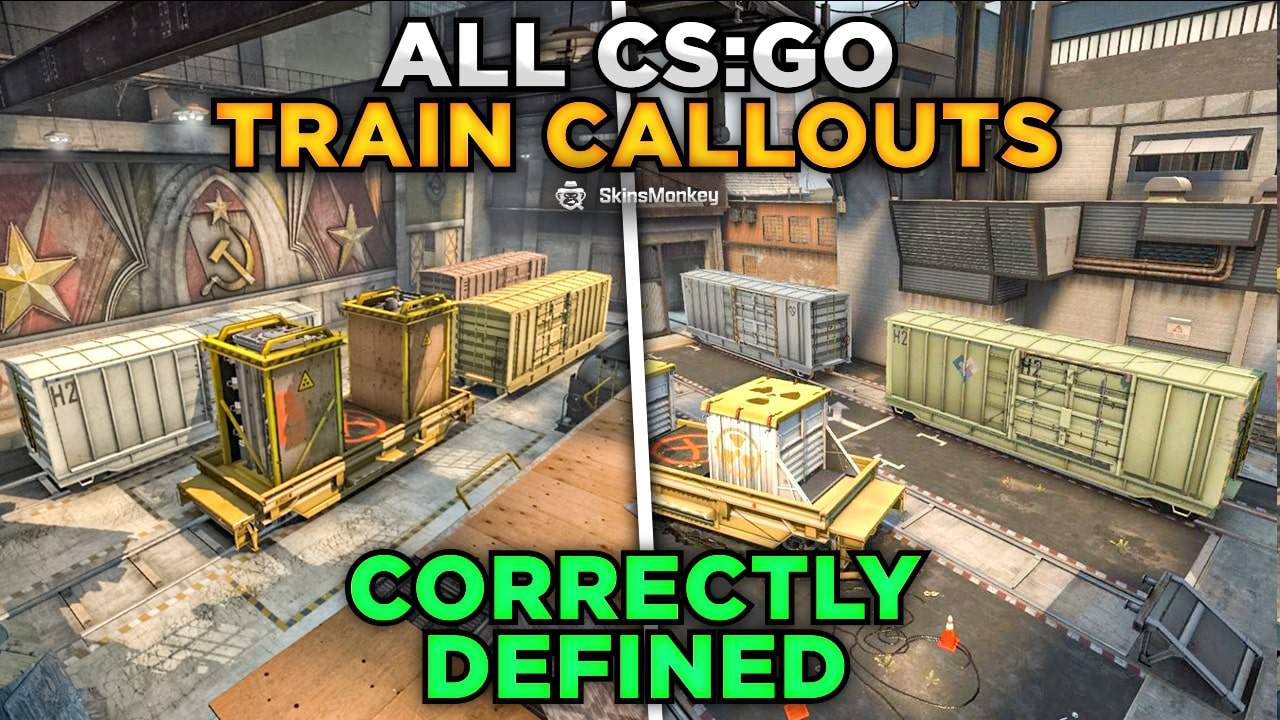
Understanding Callouts: The Key to Strategic Success in CS2
In the realm of competitive gaming, particularly in CS2, understanding callouts is essential for achieving strategic success. Callouts serve as a universal language among players, allowing for quick and efficient communication during tense gameplay. By using common terms to identify locations on the map, teams can coordinate tactics, share vital information, and execute complex strategies with ease. For instance, a well-timed callout can alert teammates to enemy positions or impending threats, significantly improving a team's chances of victory.
To leverage callouts effectively, players must familiarize themselves with the map layouts and develop a consistent terminology with their team. It is advisable to create an ordered list of common callouts and practice using them in various scenarios. Start with key locations such as bomb sites, choke points, and high ground, and expand your vocabulary as you gain experience. By mastering these tactical communications, players not only enhance their individual performance but also contribute to a cohesive team dynamic, paving the way for success in CS2.
Counter-Strike is a popular tactical first-person shooter that has captivated gamers worldwide since its release. Players can enhance their gameplay with various techniques, one of which is the jump throw bind cs2, allowing for more effective grenade throws and strategic plays.
Top 10 Essential Callouts for Every CS2 Map
In Counter-Strike 2 (CS2), understanding the layout of each map is crucial for success. Here are the Top 10 Essential Callouts that every player should know to enhance their gameplay. A well-executed strategy relies heavily on effective communication, and these callouts can help streamline your team's coordination. Familiarize yourself with your surroundings and make use of these terms to gain an advantage during matches.
- Bombsite A: Often referred to simply as A, this location is critical for planting explosives and controlling the map.
- Bombsite B: Similarly, B is another vital area that attackers and defenders must be vigilant of.
- Mid: Control of mid can dictate the flow of the game, making it essential to communicate who is scouting this area.
- Long: Commonly known in maps like Dust II, this area can lead to high-stakes confrontations.
- Catwalk: A narrow pathway that offers sneaky angles to outsmart opponents.
- connector: This link between key areas can surprise unsuspecting players.
- Ramp: Holding ground on the ramp is pivotal for site control.
- Tunnels: A common hiding spot that can catch enemies off guard.
- Stairs: Elevation gives players a tactical advantage.
- Flank: Always be aware of potential backdoor attacks from this angle.
How to Communicate Effectively in CS2: A Guide to Mastering Callouts
Effective communication is crucial in CS2, especially during intense gameplay where every second counts. Mastering callouts not only helps you relay vital information to your team but also enhances overall coordination. Start by adopting a common language and standardized terminology for callouts; this ensures that all players can quickly understand your messages. For instance, use precise location names for specific areas on the map, and encourage your teammates to do the same. By practicing this method, you create a seamless communication flow that can significantly elevate your team's performance.
Additionally, make it a point to be concise and clear in your callouts. Instead of providing lengthy explanations, focus on delivering quick, actionable intel. For example, you can use simple phrases like 'enemy spotted at A-site' or 'rotate to B now.' These brief messages aid your teammates in making faster decisions during critical moments. To further improve your communication, consider incorporating voice commands or quick-key bindings that allow for instantaneous callouts. By doing so, you foster a more efficient gameplay environment and demonstrate effective communication in CS2.