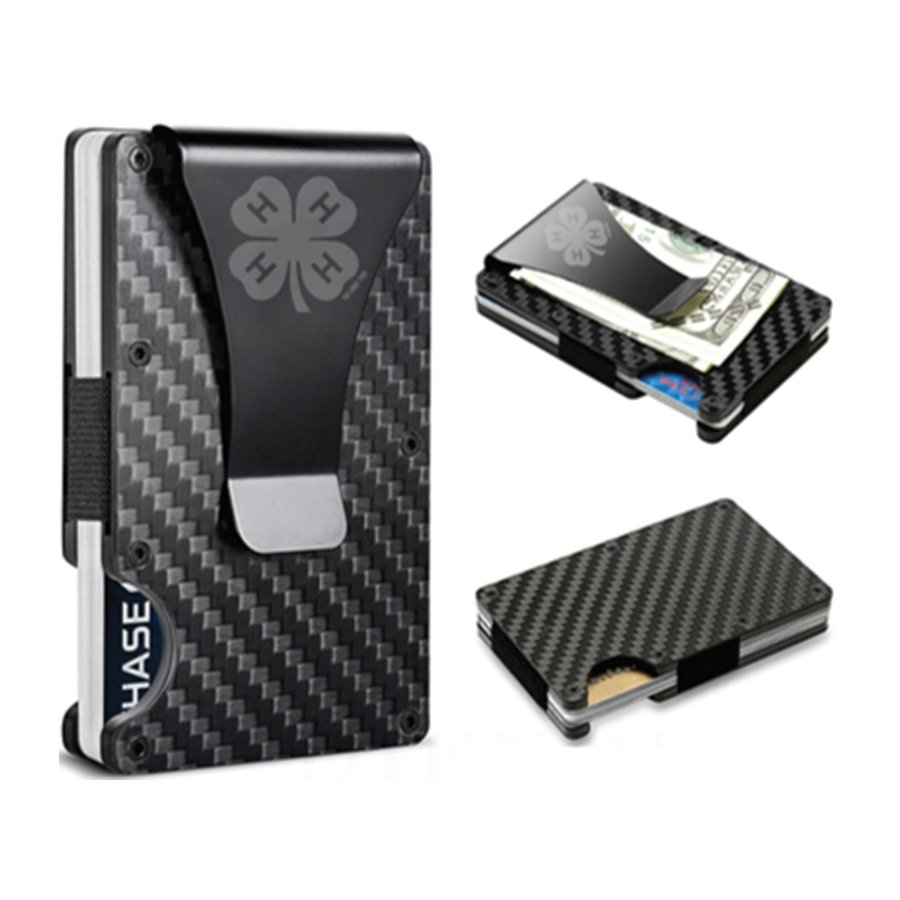
Understanding RFID Technology: How Identity Thieves Exploit Your Wallet
RFID technology, or Radio Frequency Identification, is a method of storing and retrieving data through electromagnetic fields. It is widely used in various applications, including tracking inventory, accessing control systems, and facilitating contactless payments. However, this convenience comes with significant risks. Identity thieves have identified vulnerabilities in RFID systems, particularly those utilized in credit cards, passports, and wallets. By using RFID readers, they can remotely capture sensitive information stored on RFID-enabled cards, making it easier for them to commit fraud without requiring physical access to the victim's wallet.
To protect yourself, it's essential to understand the capabilities and limitations of RFID technology. Many people believe that their information is secure simply because it is embedded in their cards; however, data can be encrypted or left unprotected. Here are a few ways you can safeguard against identity theft related to RFID:
- Use RFID-blocking wallets that are designed to prevent unauthorized scanning.
- Consider removing unnecessary RFID cards from your wallet, thus minimizing exposure.
- Monitor your bank and credit statements regularly for any unauthorized transactions.
By staying informed and adopting proper precautions, you can significantly reduce the risk of becoming a victim of RFID-related identity theft.
If you're looking to enhance your iPhone 17 experience, consider exploring the Top 10 iPhone 17 MagSafe wallet stands. These accessories not only provide convenience but also offer stylish ways to keep your essentials organized. From sleek designs to added functionality, each option on the list has something unique to offer.
Top 5 Signs Your Wallet Isn't Protecting You from RFID Skimming
In today's digital age, protecting your personal information is just as crucial as safeguarding your physical belongings. One of the primary threats comes from RFID skimming, where cybercriminals use devices to skim data from RFID-enabled cards in your wallet. Here are five alarming signs that indicate your wallet may not be doing enough to shield you from this risk:
- Your wallet lacks RFID protection: If your wallet doesn't specifically advertise RFID-blocking technology, you may be exposing your cards to unwanted scans.
- Wear and tear: If your wallet is showing signs of aging like frayed edges, it could compromise the protective lining that blocks RFID signals.
- Frequent identity theft incidents: If you're suspicious that your personal information is being lifted without your knowledge, it may be time to evaluate your wallet's security features.
- You find unauthorized transactions: If you notice charges on your statements that you didn't make, it's a critical indication that your wallet may not be protecting you effectively.
- Lack of reviews or certifications: Research is key—wallets that fail to provide reviews or third-party certifications for their RFID-blocking capabilities might not offer true protection.
The Ultimate Guide to RFID Blocking Wallets: Do They Really Work?
In today’s digital age, where contactless payment methods and personal data theft are on the rise, RFID blocking wallets have become a popular choice for consumers looking to protect their sensitive information. RFID, or Radio Frequency Identification, allows for the wireless transmission of personal data through devices like credit cards and identification cards. However, this convenience also makes it easier for thieves to scan and steal your data without your knowledge. This guide will explore how RFID blocking wallets work and whether they truly provide the security they promise.
RFID blocking wallets are designed with specialized materials that create a barrier against the electromagnetic fields used for transmitting RFID signals. These materials effectively disrupt the signals, preventing unauthorized access to your personal information. While many manufacturers claim their wallets are 100% secure, it's important to note that the efficacy of these products can vary. To ensure you make an informed purchase, look for wallets that have been tested and certified for RFID protection, and consider reading customer reviews or independent tests to gauge their performance.