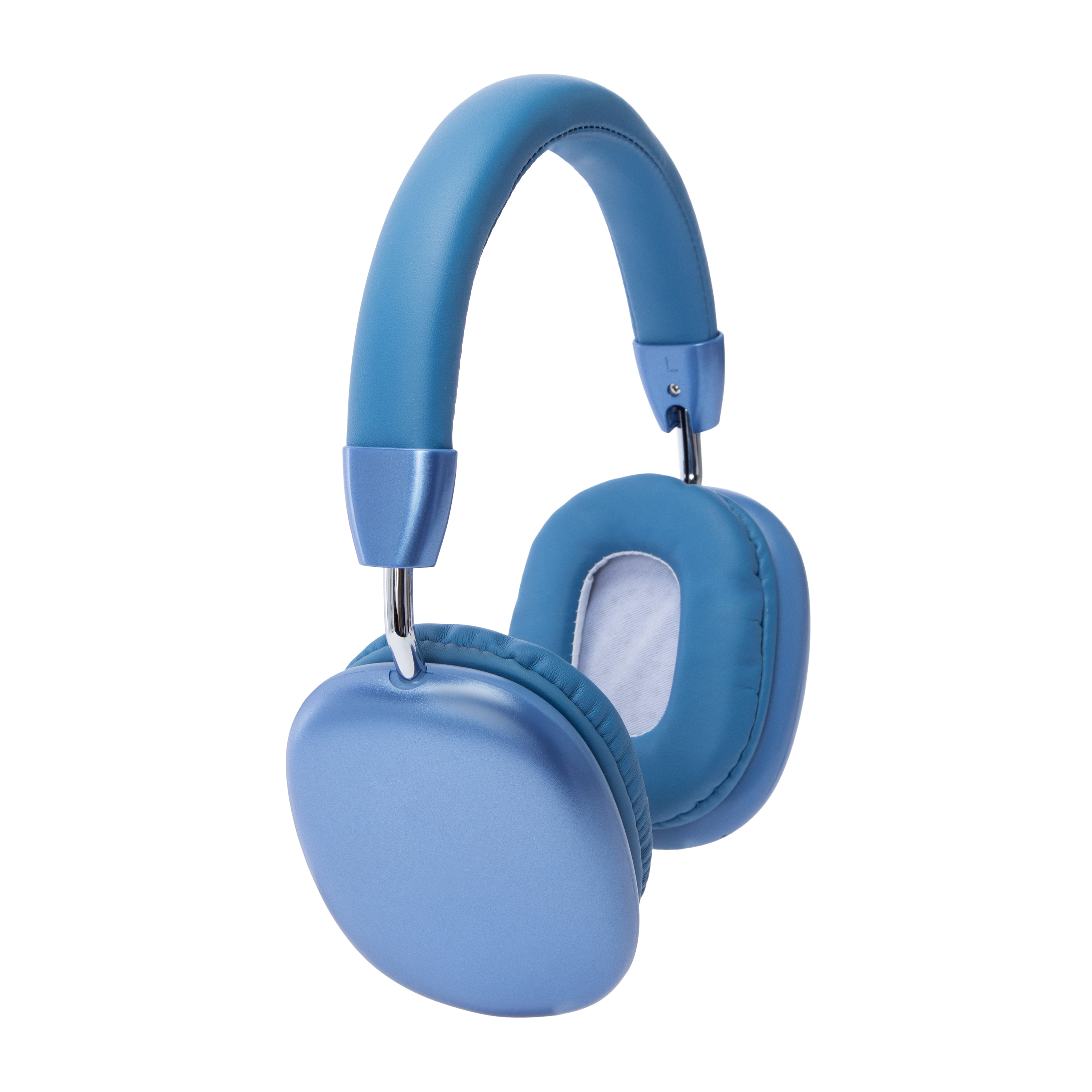
Top 5 Noise-Cancelling Headphones for Complete Immersion
In today's fast-paced world, finding a moment of peace can be challenging, especially in noisy environments. Fortunately, noise-cancelling headphones offer a solution to this problem, allowing you to immerse yourself in your favorite music, podcasts, or audiobooks without distractions. Here are the top 5 noise-cancelling headphones that guarantee complete immersion:
- Bose QuietComfort 35 II: Renowned for their exceptional sound quality and comfort, these headphones excel in passive and active noise cancellation, making them perfect for long flights or bustling commutes.
- Sony WH-1000XM4: Featuring industry-leading noise cancellation technology and a customizable sound profile, these headphones are ideal for audiophiles seeking both quality and comfort.
- Apple AirPods Max: With a premium build and seamless integration with Apple devices, these headphones deliver outstanding sound and effective noise cancellation for an immersive experience.
- Sennheiser Momentum 3: Known for their superb audio performance, these headphones come equipped with adaptive noise cancellation that adjusts to your environment.
- Bose Noise Cancelling Headphones 700: Perfect for calls and music alike, these headphones feature an adjustable noise cancellation level, giving you control over your listening experience.
Counter-Strike is a popular tactical first-person shooter game that fosters competitive gameplay between two teams: the Terrorists and the Counter-Terrorists. This game series has become a mainstay in the eSports community, with players developing skills in strategy and teamwork to outmaneuver their opponents. For those looking to enhance their gaming experience, consider checking out the Top 10 iPad Accessories for Kids to find tools that add fun or functionality.
How Do Noise-Isolating Headphones Work? A Deep Dive
Noise-isolating headphones are designed to block out ambient sounds, offering a more immersive listening experience for users. They achieve this by utilizing a combination of physical and acoustic principles. The first aspect is the construction of the headphones themselves, which often feature cushioned ear cups that create a tight seal around the ears. This seal helps to physically block external noise, making it harder for sounds from the environment to penetrate into the listening space. Additionally, many noise-isolating headphones employ materials such as memory foam and high-density plastics to further enhance this physical isolation.
Beyond the physical design, noise-isolating headphones also incorporate specific audio technologies that assist in sound isolation. For instance, the use of dynamic drivers ensures that sound waves efficiently fill the ear cups, providing a richer audio output while minimizing the intrusion of outside noises. Some models may also feature passive noise cancellation, which relies on the headphones’ form factor and material to reduce sound leakage. In conclusion, by merging ergonomic design with advanced audio technology, noise-isolating headphones effectively create an auditory bubble, allowing listeners to enjoy their favorite music or podcasts without interference from the surrounding environment.
Are Over-Ear Headphones Better for Blocking Out Noise Than In-Ear Models?
When it comes to noise isolation, over-ear headphones often have the upper hand compared to in-ear models. This is primarily due to their design, which envelops the entire ear, creating a seal that helps to block external sounds effectively. Many over-ear headphones also come with padded ear cups that add to the comfort and enhance the noise-cancelling experience. Additionally, their larger drivers typically deliver a richer sound quality, making them a popular choice for audiophiles looking to enjoy music without the interference of background noise.
On the other hand, in-ear headphones can also provide significant noise isolation, particularly those designed with a snug fit that seals off the ear canal. However, they generally rely on passive noise isolation, which may not be as effective as the active noise cancellation often found in high-end over-ear models. In-ear headphones are lightweight and portable, making them ideal for on-the-go use. Ultimately, the choice between over-ear and in-ear headphones will depend on personal preferences, usage scenarios, and the level of noise isolation needed in different environments.