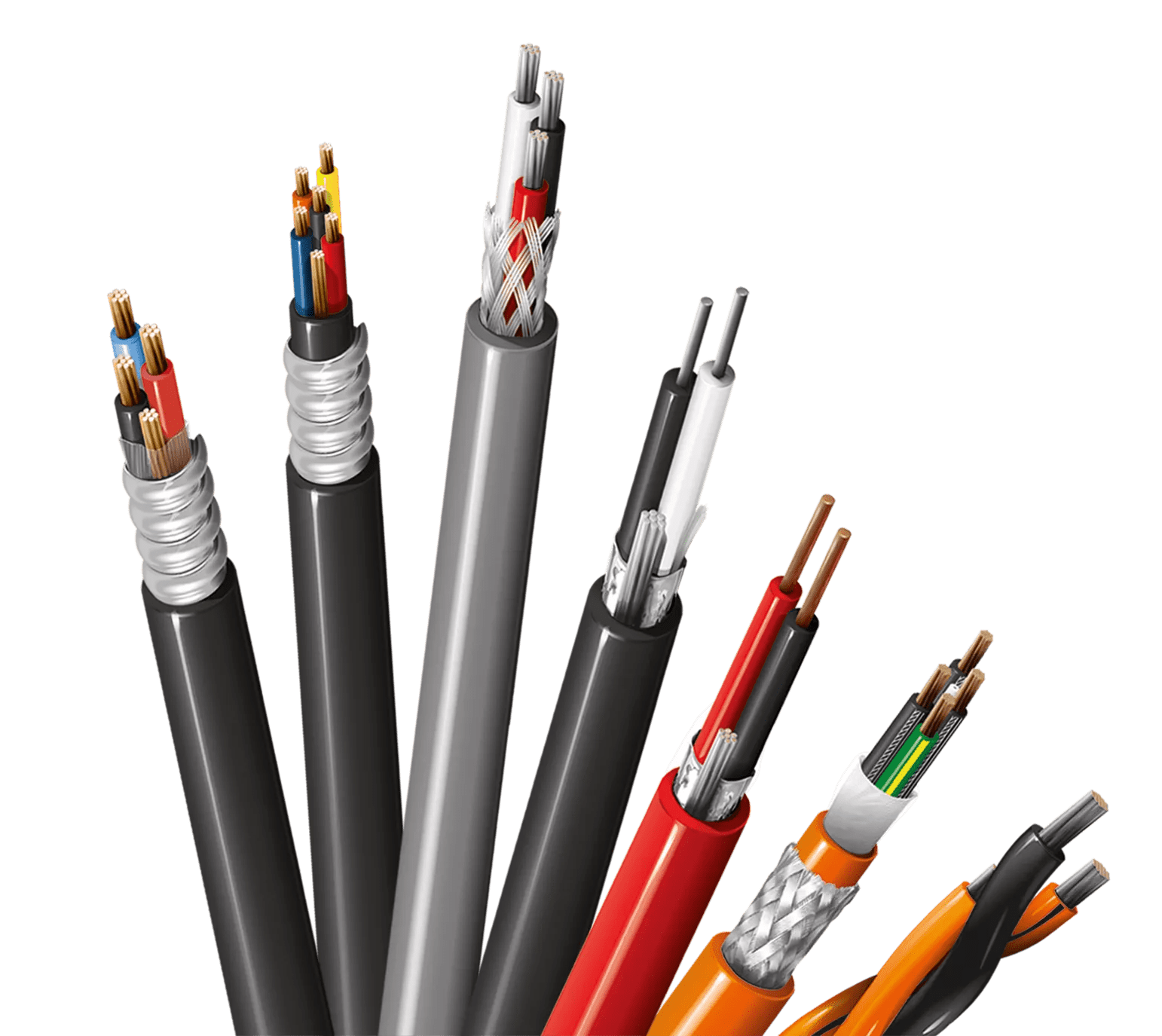
The Essential Guide to Different Types of Cables: What You Need to Know
When navigating the world of technology, understanding the various types of cables is crucial for ensuring optimal performance and compatibility. From power cables to data transfer cables, the right cable can significantly influence the efficiency of your devices. Below are some common types of cables you should be aware of:
- HDMI Cables: Ideal for transmitting high-definition video and audio from devices like Blu-ray players to TVs.
- USB Cables: Commonly used for data transfer and charging mobile devices, there are multiple variants including USB-A, USB-B, and USB-C.
- Ethernet Cables: Essential for networking, these cables connect devices to a local area network (LAN) for internet access.
In addition to the common cables listed above, there are specialized cables that serve unique functions in various industries. For instance, coaxial cables are primarily used in television broadcasting and internet connections, while fiber optic cables utilize light to transmit data, offering superior speed and reliability across long distances. It's important to select the right cable type based on the specific needs of your setup:
- Coaxial Cables: Best for cable television and internet connections.
- Fiber Optic Cables: Ideal for high-speed data transmission.
- Audio/Video Cables: Essential for connecting entertainment systems.
Counter-Strike is a popular first-person shooter game that has captivated players since its inception. Known for its tactical gameplay and competitive nature, it pits terrorists against counter-terrorists in various scenarios. Players often strategize and collaborate, making it essential to have the right equipment, much like the Top 10 Travel Accessories for Tablets that enhance travel experiences. With constant updates and a thriving esports scene, Counter-Strike remains a cornerstone of online gaming culture.
How Cables Influence Your Tech Performance: The Hidden Factors
The performance of your tech devices is not solely dependent on their internal components; cables play a crucial role as well. Many users underestimate the impact that cable quality can have on data transfer rates, charging speed, and overall device functionality. For example, using a low-quality HDMI cable can result in a degraded visual experience, with reduced resolution and potential flickering. Moreover, cables that do not meet specific standards may lead to slower internet speeds when connected to your router. It’s essential to choose the right cables that complement your devices to ensure optimal performance.
In addition to data transfer, the construction quality of cables affects durability and longevity. Cheaply made cables are prone to fraying or breaking, which can lead to poor connections and even damage your devices. Investing in high-quality cables not only improves performance but also enhances the lifespan of your technology. When selecting cables, consider factors like material, brand reputation, and user reviews to make an informed decision. Remember, a sturdy, well-made cable can be the difference between average and exceptional tech performance.
Are You Using the Right Cables? Common Mistakes and Their Consequences
When it comes to setting up your devices, choosing the right cables is crucial for optimal performance. Many users often overlook this aspect, leading to common mistakes that can have significant consequences. For instance, using an inadequate cable for high-bandwidth applications, such as 4K video streaming or gaming, can result in diminished quality, slower speeds, and even connectivity issues. It's essential to understand cable specifications and compatibility to avoid such pitfalls.
Another frequent error is not considering the environment where your cables will be used. For example, standard cables may not withstand exposure to extreme temperatures or moisture, potentially leading to damage over time. Additionally, using the wrong type of cable, such as mixing up HDMI and DisplayPort for displays, can lead to frustrating situations where devices simply won't communicate effectively. To prevent these issues, always check manufacturer recommendations and consider the specific requirements of your setup.